Communal Area Cleaning in Paddington
If you manage, own, or live in a shared building in London, keeping the common parts clean is about much more than appearance. With busy foot traffic, regular deliveries, bins moving in and out, and residents coming and going at all hours, communal area cleaning in Paddington helps create a safer, more welcoming, and better maintained property for everyone who uses it.
Paddington is a unique part of central London. It has a mix of mansion blocks, period conversions, modern apartment buildings, serviced residences, office spaces, and mixed-use developments close to transport links, canal routes, and busy streets. That variety means no two buildings are quite the same. A reliable local cleaning service needs to understand shared hallways, lift lobbies, stairwells, entry systems, bin stores, and touchpoint-heavy areas that see constant use.
Whether you are a managing agent looking after multiple blocks, a freeholder with a single converted property, a residents’ association wanting consistency, or a landlord preparing a building for new occupants, the right communal cleaning service can make daily life more comfortable and help protect the condition of the property over time.
Why communal area cleaning matters in Paddington
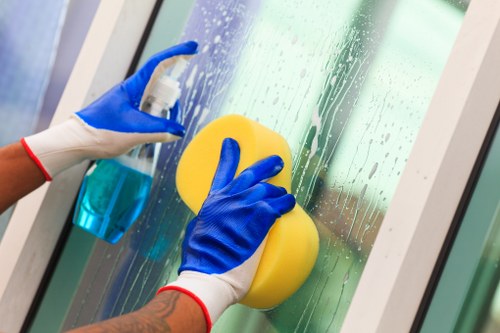
Shared spaces are the first areas people notice when they enter a building. Smudged glass, dirty skirting, dust on stair rails, litter near the entrance, or unpleasant smells in bin areas quickly give the wrong impression. In a location like Paddington, where many properties serve commuters, tenants, visitors, and business users, presentation matters every day.
Regular cleaning also supports hygiene and safety. Entrances, lift buttons, door handles, banisters, and intercom panels are touched by many people. Dust and debris on stairs or landings can make shared areas feel neglected. A proper cleaning schedule helps reduce slip hazards, keeps circulation routes clearer, and supports a more pleasant living environment for residents.
Just as importantly, communal area cleaning Paddington services are usually tailored to the building rather than treated as a one-size-fits-all job. A small period conversion off the main roads will not need the same routine as a large apartment block near the station or a mixed commercial building with retail frontage and residential access. Local knowledge matters because access, timing, and traffic patterns affect how the work is carried out.
What makes Paddington buildings different?
Paddington properties often face practical challenges that affect cleaning schedules and standards. Some buildings have narrow stairwells, limited storage, shared entrances, or restricted lift access. Others are close to high-footfall routes, so entrances can collect dirt more quickly than in quieter residential districts. Seasonal weather, luggage traffic, and deliveries can also increase the amount of debris brought into the property.
Buildings near transport hubs and busier roads may require more frequent attention to maintain the same standard as properties in quieter streets. Shared courtyards, basement entrances, bike stores, and rubbish rooms can all become problem areas if they are not cleaned regularly and checked carefully.
Our approach to communal area cleaning

A good cleaning service should be practical, dependable, and easy to work around. The aim is to keep communal spaces consistently tidy without disrupting residents, office users, or building managers. For many customers, that means scheduled visits at agreed times, attention to detail, and clear routines that cover the most important shared areas.
We focus on the parts of the building that are used most often and where cleanliness has the greatest impact. That can include entrances, staircases, lifts, corridors, reception areas, internal windows, door frames, floors, handrails, and bin storage spaces. The service can also be adapted for buildings with specific access needs or high-use zones that require extra care.
Paddington communal cleaning often involves working around residents’ routines and building access arrangements. That may mean early morning visits before commuters leave, daytime service for quieter blocks, or scheduled cleaning that avoids peak delivery times. For commercial premises, the timing can be coordinated to suit tenants and business operations.
Typical areas included
- Entrance halls and foyers
- Staircases and stairwells
- Landings and corridors
- Lift interiors and call buttons
- Handrails, bannisters, and balustrades
- Internal glass and visible door panels
- Skirting boards and ledges
- Bin stores and refuse areas
- Communal floors and hard surfaces
- Touchpoint cleaning in shared zones
Depending on the property, a plan may also include checking for visible litter, sweeping entrance thresholds, wiping down communal furniture, and keeping service routes presentable.
Clean shared areas do not just look better; they help buildings feel organised, cared for, and easier to live or work in.
Who needs communal area cleaning in Paddington?

This service is useful for a wide range of local customers. In Paddington, many buildings are shared by multiple households, managed by letting agents, or occupied by a mix of commercial and residential users. Each of those settings brings different expectations, but they all benefit from consistent cleaning.
Common customers include:
- Managing agents overseeing apartment blocks and converted buildings
- Freeholders wanting to maintain the value and appearance of their property
- Residents’ associations seeking a dependable routine for shared spaces
- Landlords with multiple occupiers or long-term tenants
- Commercial property managers responsible for offices, managed workspaces, and mixed-use premises
- Block developers or site teams needing support for common parts after handover
Paddington also has a lot of properties where access arrangements are not straightforward. There may be controlled entry systems, coded doors, limited concierge coverage, or shared responsibility between different stakeholders. A local cleaning company that understands these building types can make scheduling and communication much smoother.
If you manage a property close to the station, around the canal, or near busy residential streets such as those leading toward Bayswater, Lancaster Gate, or Westbourne, you will know how quickly an entrance can lose its fresh appearance. That is why many customers look for a service that feels responsive and steady rather than occasional or rushed.
Suitable for many property types
Communal area cleaning in Paddington can be arranged for:
- Period conversions with shared staircases
- Modern apartment blocks with lifts and lobbies
- Mixed-use buildings with retail or office fronts
- Serviced accommodation and managed residences
- Small blocks with only a handful of flats
- Larger developments with multiple floors and entrance points
Each of these settings benefits from a different cleaning rhythm, and a good provider should be able to adjust the scope accordingly.
What is included in the service?

Customers often want a clear picture of what they are paying for. While every building is different, communal cleaning usually follows a practical checklist based on the layout, materials, and usage of the premises. The goal is to keep the shared parts presentable, hygienic, and easy to maintain between visits.
Typical tasks may include vacuuming or sweeping staircases and landings, mopping suitable hard floors, wiping dust from ledges and reachable surfaces, cleaning entrance glass, and removing light litter. In buildings with lifts, buttons, mirrors, and door surrounds may need regular attention because they are high-contact areas.
For bin stores and refuse rooms, the focus is often on hygiene, spill management, and odour reduction. These spaces can become unpleasant very quickly if not handled properly, especially in shared buildings where waste collection schedules and resident habits vary. Attention to these areas helps the whole building feel better managed.
Common tasks in a standard visit
- Sweeping and vacuuming communal floors
- Mopping hard floors where appropriate
- Cleaning stair rails and handrails
- Dusting skirting boards, sills, and accessible surfaces
- Wiping lift buttons, switches, and other touchpoints
- Cleaning entrance doors and internal glass
- Removing visible litter and debris
- Checking and tidying shared mats or entrance areas
- Cleaning bin area surfaces and dealing with light spills
- Maintaining a neat appearance in lobbies and corridors
Some properties may also need periodic deep cleaning tasks such as spot-cleaning walls, more detailed glass cleaning, or extra care in high-traffic areas. These can often be built into a plan at the right interval.
Why detailed routines matter
When a building has many users, dirt builds up in layers. A quick once-over is not always enough. A structured routine helps make sure the same important points are covered every time, which is especially valuable in places with regular turnover or heavy visitor flow.
How the service works

Booking communal area cleaning should feel straightforward. The process usually begins with understanding the building, its access points, and the level of cleaning required. Once the layout and priorities are clear, a cleaning schedule can be created to fit the property and the people who use it.
In Paddington, this often starts with a walk-through or a detailed conversation about the building’s common parts. That allows the service provider to identify the main circulation areas, the high-traffic zones, any shared facilities, and any awkward access points. It also helps establish whether the building needs standard weekly visits, more frequent attendance, or occasional extra support.
After that, the service plan can be set out so everyone knows what will happen during each visit. That clarity is important for managing agents, residents, and commercial occupiers alike. It reduces confusion and helps ensure the standard stays consistent over time.
Simple step-by-step process
- Initial enquiry – you describe the property, location, and cleaning needs
- Site understanding – access details, layout, and priorities are reviewed
- Service proposal – the cleaning tasks and schedule are agreed
- Regular visits – the team carries out the agreed cleaning routine
- Ongoing adjustments – the plan can be refined if the building’s needs change
For many customers, the biggest benefit is consistency. A familiar routine, used by a local team that understands the property, is often much easier to manage than ad hoc cleaning arranged only when problems become visible.
Clear communication, reliable timing, and sensible routines are especially valuable in shared buildings where many people depend on the same spaces.
Preparing for the first visit
Before the first clean, it helps to make sure access arrangements are ready, any security procedures are explained, and there is a clear understanding of which areas are shared and which are private. That makes the first visit more efficient and ensures the service starts on the right footing.
Preparation checklist for residents and managers
Communal cleaning works best when the building team and the cleaning provider are aligned. A few simple steps can make the service smoother and more effective from the start.
Preparation checklist:
- Confirm which areas are included in the communal cleaning schedule
- Provide access details for doors, entrances, and secure zones
- Identify any areas that need special care, such as polished floors or delicate finishes
- Let residents know about any regular cleaning times if needed
- Share instructions for bin rooms, recycling areas, and waste collection points
- Flag any recurring issues such as leaks, graffiti, or persistent litter hotspots
- Ensure the team knows where to store equipment if site storage is available
In buildings with multiple stakeholders, it is also helpful to confirm who manages communication about cleaning changes or access issues. That avoids delays and keeps the service running smoothly.
For many Paddington properties, parking and loading can be a practical challenge. Streets can be busy, and stopping space may be limited near entrance points. A local cleaning company used to working in central London will understand the importance of planning around access restrictions, short visit windows, and practical equipment handling.
Why local experience helps
Paddington is not a suburb where a team can simply turn up without considering the surroundings. Central London traffic, resident permit rules, restricted entry points, and limited waiting space can all affect the way cleaning is delivered. A local team is more likely to understand how to work efficiently in those conditions.
This is especially useful for blocks close to transport connections, canal-side developments, and properties on narrower residential roads. The cleaning plan may need to account for foot traffic, delivery times, and the fact that many buildings share access routes with businesses or hospitality premises.
Pricing factors for communal area cleaning
Customers often want to know what affects the cost of communal area cleaning, even if exact prices depend on the property and service level. It is useful to understand the main factors so you can compare proposals sensibly and make sure you are asking for the right scope of work.
Pricing is usually influenced by the size of the building, the number of floors, how often cleaning is required, and whether the property includes lifts, bin stores, or other special areas. The condition of the building and the amount of foot traffic also matter, because a busy entrance may need more frequent attention than a quiet staircase.
Other factors can include access arrangements, the level of detail required, whether consumables are included, and whether the service needs to cover both internal and external shared spaces. If a building has a complex layout or several entrances, that may also affect the time needed for each visit.
Common factors that affect the quote
- Number of floors and shared areas
- Frequency of cleaning visits
- Size and type of flooring surfaces
- Presence of lifts, corridors, or reception spaces
- Bin room condition and waste handling requirements
- Access restrictions, security procedures, or timing constraints
- Need for periodic deep cleaning or extra detail work
- Commercial and residential use within the same building
A sensible quote should reflect the real needs of the building, not a generic package that leaves important areas neglected. That is why it helps to request an assessment based on the actual property rather than assuming all communal areas are the same.
If you are responsible for several buildings, a consistent plan can often make budgeting easier and reduce the time spent chasing different contractors for different properties.
Why choose a local company for Paddington?
There are many reasons local customers prefer a company that already understands the area. In a busy district like Paddington, timing and practicality matter just as much as cleaning quality. A team that knows the local street pattern, property styles, and access challenges can usually work more smoothly.
Local relevance also matters because Paddington has a broad mix of buildings. Period conversions near quieter streets may require careful handling of older finishes and shared staircases, while modern developments may need lift cleaning, lobby presentation, and regular bin store maintenance. A local provider is more likely to recognise those differences quickly.
Another benefit is responsiveness. If there is a one-off issue such as heavy debris after maintenance work, an overflowing bin area, or a shared entrance that needs extra attention, it helps to have a team that can understand the building’s needs without a long explanation each time.
What customers usually value most
- Consistent standards across every visit
- Reliable attendance and practical scheduling
- Attention to high-use shared areas
- Understanding of mixed residential and commercial buildings
- Ability to work around access and parking limitations
- Clear service scope with no confusion over what is included
For shared properties, trust often comes from simple things: showing up when agreed, cleaning the right areas properly, and keeping the building pleasant for the people who use it every day.
Areas covered around Paddington
Paddington sits in a very active part of west central London, and communal cleaning needs often extend to nearby streets and surrounding neighbourhoods. Many customers also manage buildings that sit close to neighbouring districts, where shared access routes and commuter movement are part of everyday life.
Areas commonly associated with this type of service include Paddington itself, plus nearby locations such as Bayswater, Lancaster Gate, Westbourne, Maida Vale, Marylebone, and parts of the surrounding central London residential and commercial corridor. Properties near major roads, canal-side developments, and transport-linked blocks may all need tailored shared-area cleaning.
Because the area is so mixed, a local service can be useful for all kinds of premises, from smaller houses converted into flats to larger apartment buildings and managed office spaces. The important thing is that the service matches the property, not just the postcode.
Common building features in the area
- Shared entrance halls in converted townhouses
- Narrow staircases and landings in older buildings
- Modern lobbies and lift cores in newer developments
- Basement bin rooms or waste enclosures
- Mixed-use entrances with residential and commercial access
- High foot traffic near transport and busy retail routes
If your building is in or around Paddington and the communal areas are starting to look tired, dusty, or inconsistent, it may be time to arrange a regular cleaning plan that suits the property properly.
Frequently asked questions
How often should communal areas be cleaned?
The right frequency depends on the size of the building, the number of residents or users, and the level of foot traffic. Some properties need weekly visits, while busier blocks may benefit from more frequent cleaning.
Can the service be tailored to our building?
Yes. Shared properties vary a lot, especially in Paddington. The cleaning routine can be adapted to cover the areas that matter most, whether that means stairwells, lifts, bin rooms, or lobby spaces.
Do you clean both residential and commercial communal spaces?
Yes. Many buildings in Paddington are mixed-use, so the service can be arranged for residential blocks, office buildings, and shared access areas used by both types of occupants.
What if our building has difficult access?
That is common in central London. Secure entry systems, narrow staircases, and limited parking are all manageable when they are factored into the service plan from the start.
Can the schedule be changed if our needs change?
In many cases, yes. If occupancy changes, if a building becomes busier, or if shared areas need more attention, the service plan can usually be reviewed and adjusted.
What should we do before booking?
It helps to note the number of floors, the main communal areas, access details, and any specific problem spots. That makes it easier to request a free quote and get a plan that suits the property.
Is this service suitable for small blocks as well as larger developments?
Yes. Small converted buildings often need just as much care as larger developments, but with a lighter or more focused schedule.
Keeping communal areas presentable all year round
Shared spaces do not stay tidy by accident. They need regular attention, especially in a part of London where weather, traffic, and people movement can quickly affect the condition of floors and entrances. Wet shoes in winter, dust from nearby roads, litter from passers-by, and constant handling of doors and switches all add up.
That is why a steady cleaning routine is so useful. It helps protect the appearance of the property, supports a better day-to-day experience for occupants, and reduces the chance of cleaning tasks being left until they become more difficult or more noticeable.
Communal area cleaning in Paddington is most effective when it feels built around the building’s real use. Residents want clean hallways and safe stairs. Managing agents want a service they can rely on. Property owners want the building to look cared for. A local cleaning plan can help bring those priorities together.
Benefits for different customers
- Residents get cleaner, more pleasant shared spaces
- Landlords help protect the condition of the property
- Managing agents gain a dependable routine and clearer standards
- Commercial occupiers benefit from a tidy, professional shared environment
- Freeholders support long-term presentation and upkeep
Whether you are dealing with a small block, a large development, or a mixed-use building with a busy entrance, the right service should make maintenance feel easier rather than more complicated.
Contact us today to discuss your building’s needs, request a free quote, or book your service now. A well-planned cleaning schedule can make a noticeable difference to how a shared property feels every day.