Legal steps for hazardous waste removal in Paddington
Posted on 22/06/2026
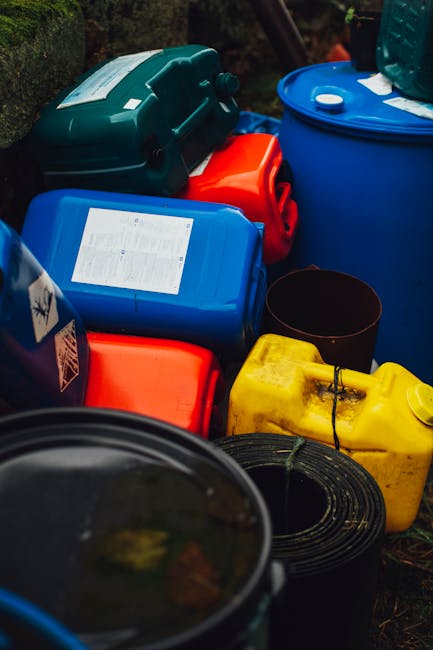
If you are dealing with paint tins, solvents, fluorescent tubes, contaminated soil, old chemicals, or anything else that makes you pause and think, "This can't just go in a skip," you are already asking the right question. The legal steps for hazardous waste removal in Paddington are not just about getting rid of material quickly; they are about protecting people, avoiding penalties, and making sure the waste goes to the right place the first time.
That matters even more in a busy London area like Paddington, where mixed-use buildings, refurbishments, office fit-outs, hospitality sites, and older properties often produce waste streams that are not straightforward. Truth be told, the hardest part is often not the removal itself. It is working out what the waste actually is, how it must be classified, who is allowed to move it, and what records need to be kept.
This guide breaks the process down clearly. You will see the legal framework in plain English, the practical steps that usually need to happen, what mistakes to avoid, and how to approach compliance without overcomplicating it. If you are trying to make a sensible decision today, this should help you do that.
Why legal hazardous waste removal matters in Paddington
Hazardous waste is not just "nasty stuff in a drum." It is waste that can harm human health, damage the environment, or require special handling because of its chemical, biological, flammable, toxic, corrosive, or otherwise dangerous properties. In practical terms, that can include items from a small flat refurbishment, a restaurant basement, a clinic, a workshop, or a larger commercial site.
Paddington has a mix of old buildings, busy transport links, tenant turnover, and commercial activity. That mix creates awkward waste situations. A building may have legacy materials stored in a plant room. A shop refit may uncover old adhesives or cleaning chemicals. A landlord may inherit unknown containers from a previous occupant. And once something is uncertain, the legal risk rises quickly.
The law matters because hazardous waste cannot be treated like general rubbish. Duty of care applies. The waste must be identified properly, stored safely, transferred to an authorised carrier, and sent to an authorised facility. If any of that is done badly, the problem does not disappear; it simply moves downstream, sometimes into your inbox in the form of a fine, investigation, or insurance headache. Nobody wants that kind of surprise on a Tuesday morning.
There is also a simple human reason. Mishandled hazardous waste can expose cleaners, porters, neighbours, contractors, and passers-by to real harm. Broken containers, leaks, fumes, dust, and careless loading are avoidable risks. A compliant process is not just paperwork. It is the thing that keeps people safe while the job gets done.
Practical takeaway: if you are unsure whether waste is hazardous, treat uncertainty seriously and get it assessed before anyone moves it. That one pause can save a lot of trouble later.
How legal hazardous waste removal in Paddington works
The legal process usually follows a simple logic, even if the paperwork looks a bit intimidating at first. First, the waste needs to be identified. Then it is classified. After that, it is packed, labelled, stored, collected, transported, and documented. The details change depending on the waste type, but the structure is fairly consistent.
In many cases, the person producing the waste has what is called a duty of care. In plain English, that means you cannot just hand the material to whoever turns up with a van. You need to make sure the person taking it is authorised and that the waste is described accurately enough for safe treatment. If the waste is mixed, contaminated, or poorly labelled, a collector may refuse it or require further assessment first.
Typically, a compliant provider will want to know what the waste is, where it came from, how much there is, whether it is in containers, and whether there are any special hazards. If there are chemicals with unknown contents, asbestos-related concerns, medical residues, or pressurised containers, the information needs to be especially careful. Guessing is not a strategy. It is more of a gamble, and not a good one.
Once the waste is accepted, the provider arranges transportation in line with the relevant controls and takes it to a licensed or otherwise authorised disposal or recovery facility. Depending on the waste stream, the material might be neutralised, incinerated, treated, recycled under controlled conditions, or securely disposed of. The point is that the end destination must match the waste's classification and risk profile.
If you are organising this as a business or property manager, paperwork matters too. Transfer notes, consignment records, carrier details, and facility details may all need to be retained. Even when a job seems minor, missing records can become a problem if there is later a complaint, inspection, or insurance query.
Key benefits and practical advantages
Following the legal steps properly is not only about avoiding a problem. It has real operational value. In Paddington, where access can be tight and schedules are often squeezed, a tidy compliance process keeps jobs moving instead of stalling halfway through.
Some of the main benefits include:
- Reduced legal exposure: proper classification, transfer, and disposal help you stay on the right side of your responsibilities.
- Better site safety: fewer leaks, fewer fumes, fewer accidental exposures, and less chance of a rushed clean-up.
- Cleaner audits and records: a well-managed job is easier to evidence if someone asks what happened to the waste.
- Fewer delays: when waste is described correctly, the collector can plan the right vehicle, equipment, and crew.
- Lower chance of repeat costs: rejections, re-handling, and emergency callouts can all add avoidable expense.
- Protection of reputation: for landlords, contractors, and businesses, poor waste handling can reflect badly very quickly.
There is also a quieter advantage: peace of mind. That sounds soft, but it is real. When a refurbishment is already messy, or a store room is full of unknown containers, being able to say "we followed the proper steps" is worth a lot. It calms the whole project down.
For businesses with regular waste generation, using a repeatable legal process also makes internal operations smoother. Staff know what to flag, managers know what to record, and the collection team knows what to expect. Less drama, more control. That is usually the goal.
Who this is for and when it makes sense
This guide is relevant to anyone who might generate hazardous waste in Paddington, but some situations come up more often than others. You may need to think about these legal steps if you are:
- a landlord clearing out a property after a tenancy;
- a facilities manager handling maintenance waste from an office block;
- a shop, restaurant, or salon owner disposing of chemicals, aerosols, cleaning agents, or lamps;
- a contractor managing refurbishment debris or contaminated materials;
- a healthcare, laboratory, or care-related operator with specialist waste;
- a homeowner dealing with leftover substances after renovations;
- a warehouse or workshop operator storing industrial materials.
Sometimes the need is obvious. A drum marked as flammable or corrosive, for instance, is clearly not for ordinary collection. Other times, the issue is less obvious. Maybe you have mixed waste from a strip-out. Maybe the labels are missing. Maybe the bottles are dusty, dented, and a bit mysterious. That is where many people slip up.
It makes sense to follow the full legal process whenever there is uncertainty, a regulated waste stream, a commercial setting, or a higher-risk material. If you are only dealing with standard household rubbish, the process is different. But if there is any doubt, treat the material as potentially hazardous until it has been properly identified. That small bit of caution is usually the smartest move.
Paddington's mix of residential and business premises also means that waste can cross boundaries in awkward ways. A basement store room, for example, may contain items left by previous occupants. A split-use building may have office waste upstairs and maintenance waste below. These are the moments where a practical, methodical approach really pays off.
Step-by-step guidance
Below is a sensible, real-world sequence for handling legal hazardous waste removal in Paddington. Not every job will need every step in the same way, but this is the shape of a compliant process.
1. Identify the waste
Start by working out what the material actually is. Look for labels, product names, hazard symbols, container condition, and any paperwork already on site. If the item is unknown, do not open, mix, tip, or decant it casually. That is one of those "feels efficient, goes wrong later" decisions.
If the waste has come from refurbishment works, ask what was used on site. Paints, adhesives, solvents, sealants, absorbents, oils, and contaminated rags can all change the compliance picture. Small details matter here.
2. Separate hazardous from non-hazardous waste
Keep hazardous waste away from general waste and recyclable streams unless you have a very specific approved process. Mixing waste often increases disposal complexity, cost, and risk. It can also make the whole load harder to classify. In short, separation is your friend.
3. Store it safely
Use secure, suitable containers and keep them closed when not in use. Store them in a place that reduces the chance of spills, unauthorised access, or exposure to heat and weather. If the material is especially volatile or dangerous, additional precautions may be needed. The idea is simple: make the site safer while you organise the next step.
4. Check carrier and facility suitability
Before collection, confirm that the carrier is authorised to move the type of waste involved and that the receiving facility is appropriate for the waste stream. This is part of the duty of care chain. If you are unsure, ask for evidence and documentation. A professional operator should not find that awkward at all.
For businesses that handle waste regularly, it can help to review broader service pages such as hazardous waste removal and commercial waste removal to understand how different waste types are handled across a site. If those pages exist on your site, they can support a clearer internal journey for readers. If not, keep this process in mind anyway.
5. Complete the paperwork
Make sure the waste description is accurate. The paperwork should reflect the type of waste, quantity, source, and any relevant hazards. This is not busywork. It is the record that follows the load and helps demonstrate compliance. If you cannot describe the waste properly, the job is not ready yet.
6. Arrange transport and collection
The collector should arrive with the right vehicle, equipment, and staff for the job. In Paddington, access can be a real-world issue: narrow service entrances, parking constraints, loading restrictions, and busy roads can all affect timing. Good planning avoids a lot of stress. It also keeps neighbours and building users happier, which never hurts.
7. Confirm final disposal or treatment
After collection, ask for or retain the relevant transfer information so you know the waste went where it should. Keep this with your records. If a question arises later, that paper trail is often the difference between a quick answer and a long headache.
8. Review what caused the waste
Once the job is done, it is worth asking whether the waste could have been reduced, segregated better, or stored more clearly from the start. This is where many teams quietly improve. A small change in storage practice or purchasing can cut repeat hazardous waste issues over time.
Expert tips for better results
Here are the tips that tend to make the biggest difference in practice, especially on busy London sites where time and space are both tight.
- Label early, not later. If containers are labelled as soon as they are used, confusion drops fast.
- Keep waste streams separate. A mixed container is almost always more difficult and more expensive to deal with.
- Photograph uncertain items. A quick image can help a specialist identify a product or container before attending site.
- Use a single point of contact. One person controlling the paperwork avoids mixed messages.
- Plan access in advance. For Paddington properties, check loading bays, time restrictions, lifts, and parking before collection day.
- Do not improvise with decanting. If a substance needs transferring, that should be done under the right controls, by the right people.
One small but useful habit: keep a "waste issues" note in the site folder. It sounds slightly old-fashioned, maybe even a bit dull, but it works. Record what was found, where it was stored, who authorised the removal, and what paperwork was issued. Future-you will be grateful, honestly.
Another practical point is to involve the site team early. Porters, caretakers, reception staff, and contractors often know where the odd materials are hidden. A five-minute conversation can save a two-hour delay later on. That is just good field sense.

Common mistakes to avoid
Most compliance failures are not dramatic. They are small, ordinary oversights that build into a bigger problem. The good news is that they are avoidable.
- Assuming something is non-hazardous without checking. If the label is missing or the contents are unclear, do not guess.
- Mixing waste to save space. It often creates a bigger legal and disposal problem than the original clutter.
- Using an unsuitable collector. A general rubbish service is not automatically appropriate for hazardous waste.
- Skipping records. If there is no documentation, it becomes difficult to prove what happened.
- Leaving waste unsecured. Open access to containers is a safety and liability issue.
- Waiting until the last minute. Rush jobs lead to poor identification, poor planning, and avoidable extra costs.
Another subtle mistake is treating all hazardous waste as if it follows the exact same route. It does not. Chemical waste, sharps, contaminated absorbents, electrical items with hazardous components, asbestos-related waste, and clinical waste can each have different handling expectations. That is why a one-size-fits-all approach often falls short.
And yes, every now and then a site team says, "It'll be fine, just take it away." That phrase has caused more trouble than most people realise. Fine is not a compliance category.
Tools, resources and recommendations
You do not need a mountain of equipment to manage hazardous waste properly, but a few basic tools make the process much smoother.
| Tool or resource | Why it helps | Best used for |
|---|---|---|
| Clear labels and marker pens | Reduces confusion and improves traceability | Containers, drums, sacks, and boxed items |
| Secure secondary containment | Helps contain leaks or drips | Liquids, chemicals, and stored materials |
| Waste log or register | Creates a simple paper trail | Recurring waste streams and multi-tenant sites |
| Photographic record | Helps identify uncertain materials | Unknown items and pre-collection assessment |
| Site access plan | Prevents collection delays | Busy or restricted Paddington locations |
For readers comparing broader service options, it may also help to look at pages such as waste collection and office clearance if those are available on your site. They can be useful when the hazardous material is part of a wider clearance or operational change.
In practice, the most useful "resource" is often a good conversation with the right waste professional before the collection date. A 10-minute call can clarify container types, volume, access issues, and likely paperwork. That is usually better than discovering a problem with a full van waiting outside. Not ideal.
Law, compliance, standards and best practice
When people ask about the legal steps for hazardous waste removal in Paddington, they usually want reassurance that they are doing the right thing without drowning in legal jargon. Fair enough. The main point is that hazardous waste is subject to duty of care expectations, and the waste producer must take reasonable steps to ensure proper handling from start to finish.
In the UK, the details can vary depending on the waste stream, the premises, and the exact circumstances. So the safest approach is not to memorise a handful of rules and hope for the best. It is to follow recognised best practice: identify the waste correctly, keep it separate, store it safely, use an authorised carrier, and retain proper records.
For certain materials, specialist compliance expectations may also apply. Examples can include asbestos-related waste, clinical waste, oils, solvents, batteries, electrical waste with hazardous components, and contaminated materials. Some of these are familiar to contractors; some are not. If the item sits in a grey area, it deserves proper assessment before movement.
Best practice usually includes:
- keeping waste descriptions specific rather than vague;
- making sure containers are sound and suitable;
- limiting access to hazardous storage areas;
- documenting transfers accurately;
- training staff to recognise obvious warning signs;
- using specialist advice when the waste stream is unfamiliar.
Paddington itself does not change the legal principles, but it does affect the practical side. Traffic, access, timing, and shared building arrangements all make documentation and planning more important. In other words, the law is the same, but the working conditions are not always friendly.
Options, methods and comparison table
There are a few ways people approach hazardous waste removal. Some are better than others depending on the size of the job, how urgent it is, and how complex the waste stream may be.
| Method | Best for | Advantages | Limitations |
|---|---|---|---|
| Specialist hazardous waste collection | Known hazardous waste streams | Most compliant and controlled approach | Needs proper identification and paperwork |
| One-off clearance with specialist sorting | Mixed or unknown site clearances | Useful for inherited waste and refurbishments | May take longer to assess |
| Routine scheduled collection | Businesses producing waste regularly | Predictable and easy to manage | Requires good internal segregation |
| Emergency callout | Spills, leaks, or unsafe storage | Fast response when risk is high | Usually more expensive and disruptive |
For many Paddington properties, the best route is not the fastest one at first glance. It is the one that avoids re-handling. If the waste is identified well and collected by the right team from the start, the whole process is cleaner, safer, and often easier to justify internally. Speed matters, yes, but compliance first. Every time.
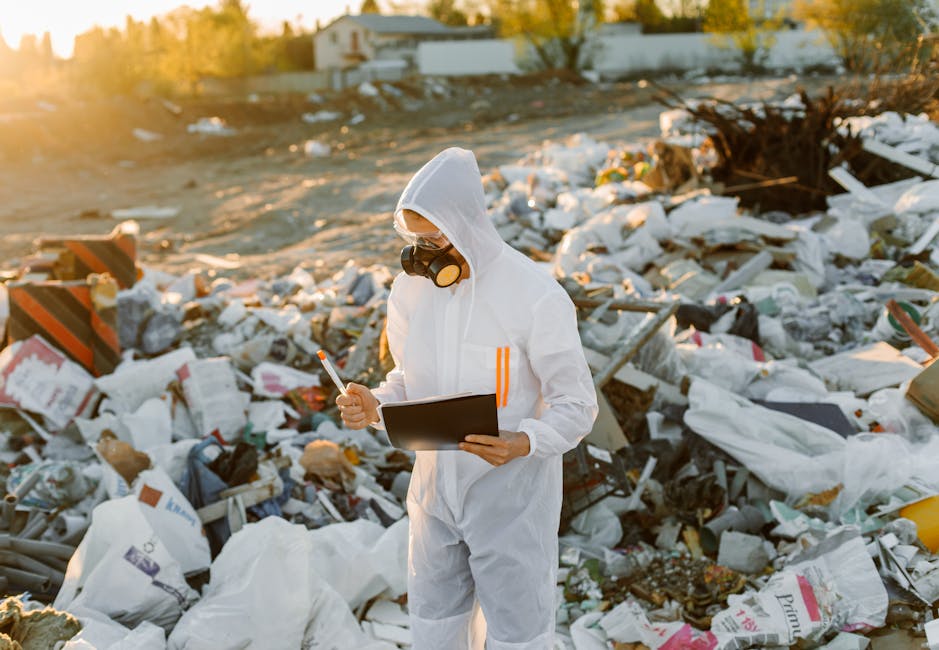
Case study or real-world example
Imagine a mixed-use building near Paddington Station undergoing a light refurbishment. The contractor opens an old storage cupboard and finds several unlabeled containers, a few partly used tins of solvent-based product, some dusty rags, and a broken fluorescent tube. Nothing dramatic. But enough to make everyone hesitate.
The first instinct might be to bundle everything into general waste and move on. Instead, the site manager pauses, separates the items, photographs the containers, and asks for assessment. The supplier identifies the likely waste types, arranges suitable collection, and the paperwork is completed before removal. The fluorescent tube is handled as a separate item, the solvent waste is packed correctly, and the rags are not mixed into a larger load that would complicate disposal.
The result is boring in the best possible way. No spill, no guesswork, no rejected load, no confusion later when the client asks for records. The job still took effort, of course, but it stayed manageable. That is the kind of outcome you want.
Now compare that with the alternative. If the items had been tipped together without checking, the whole load might have needed reclassification or specialist re-handling. That can slow a project, trigger extra cost, and create avoidable risk. A bit of caution upfront saved a lot of hassle. Simple, really.
Practical checklist
Use this checklist before arranging hazardous waste removal in Paddington:
- Have you identified the waste as accurately as possible?
- Have you separated hazardous items from general rubbish?
- Are containers closed, intact, and suitably labelled?
- Is the storage area secure and accessible for collection?
- Have you checked whether the waste needs specialist handling?
- Have you confirmed the carrier is appropriate for the waste stream?
- Is the collection paperwork ready and consistent?
- Do you know where the waste is likely to be taken for treatment or disposal?
- Have staff or building users been told not to move or mix the waste?
- Have you retained a record of what was collected and when?
If you can tick most of those boxes, you are in much better shape than many people realise. If not, slow down a little. The extra time is usually worth it.
Conclusion
The legal steps for hazardous waste removal in Paddington are not complicated because they are mysterious; they are complicated because the waste itself can be messy, risky, and easy to misidentify. Once you break the process into sensible stages, though, it becomes much more manageable. Identify the waste, keep it separate, store it safely, use the right carrier, keep the records, and do not rush the judgement calls.
For households, landlords, contractors, and businesses alike, that approach protects people and reduces the chance of expensive mistakes. It also makes life easier when sites are busy, access is awkward, or the waste turns out to be less straightforward than expected. And in Paddington, that happens more often than you might think.
If you are facing an uncertain pile of containers, a small but awkward clearance, or a larger compliance job, the next sensible step is to get the waste assessed properly and plan the removal method around the actual risk, not a guess.
Get a free quote today and see how much you can save.
Do it properly once, and you are far more likely to move on with confidence. That, in the end, is the real win.


