Paddington Basin offices: Merchant Square cleaning
Posted on 22/05/2026
Paddington Basin offices: Merchant Square cleaning guide for busy workplaces
If you manage or work in Paddington Basin offices, especially around Merchant Square, cleaning is rarely just about appearance. It affects how clients feel when they walk in, how staff get through the day, and whether the space feels calm or, well, slightly tired by 3pm. The area has a polished, high-traffic office environment, so the standard needs to be consistent, discreet, and genuinely reliable.
This guide breaks down what Paddington Basin offices: Merchant Square cleaning really involves, why it matters, how it works in practice, and what to look for if you're comparing providers. You'll also find a step-by-step plan, a realistic checklist, a comparison table, and a few local observations that can help you make a better decision without wading through fluff.
For a broader look at the services available in the area, you may also find the office cleaning in Paddington page useful, along with the wider services overview if you're exploring more than one type of cleaning support.
Why Paddington Basin offices: Merchant Square cleaning Matters
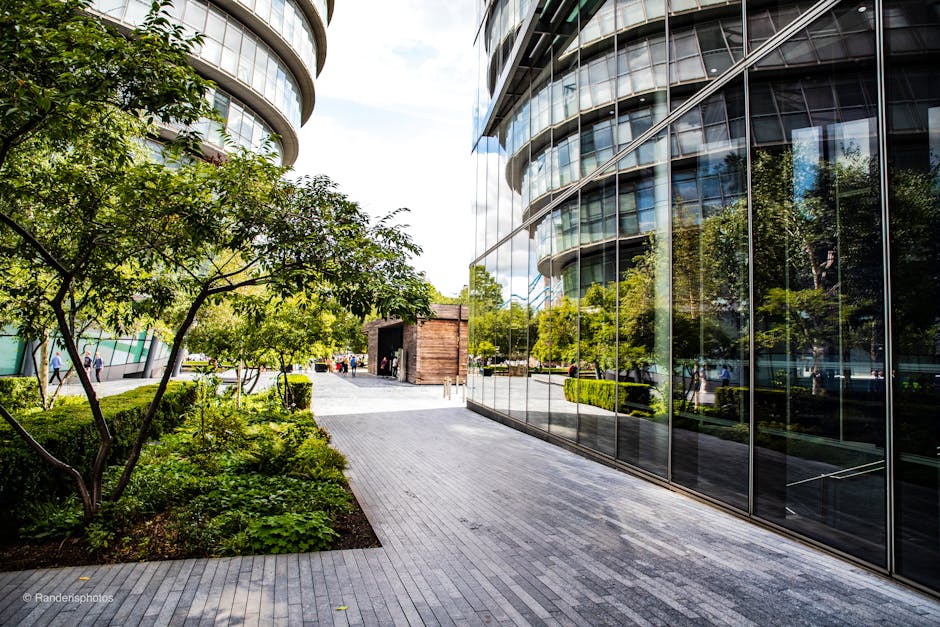
Merchant Square sits in one of those London office pockets where first impressions really do carry weight. Glass-fronted buildings, shared lobbies, meeting rooms, reception desks, lifts, kitchenettes, washrooms, break-out areas, all of it gets noticed. Even if nobody says a word, people notice fingerprints on doors, crumbs around tea points, limescale in taps, and carpet marks near busy walkways. Bit by bit, those details shape how professional the space feels.
That is why cleaning in this part of Paddington Basin is different from a quick tidy. It is about maintaining a workplace that supports business rhythm. Staff need clean desks, hygienic shared areas, and air that does not feel stale by lunchtime. Visitors need a space that feels well looked after. Property managers, too, need confidence that the office is being maintained in line with building expectations and sensible hygiene practice.
There is also a practical reality here: many offices in Merchant Square use shared access points, lifts, and communal facilities. That means cleaning has to work around other occupants, building management rules, and the daily flow of deliveries, meetings, and after-hours access. In our experience, the best results come from a cleaning plan that is calm, consistent, and a little bit boring, in the best possible way.
If you want a sense of the local area beyond the office towers, the Paddington lifestyle piece gives a useful feel for how this part of London blends business and everyday life. That context matters more than people think.
How Paddington Basin offices: Merchant Square cleaning Works
Good office cleaning usually starts with a simple question: what does this workplace actually need, and when does it need it? That sounds obvious, but it is where many rushed arrangements fall apart. A smaller office with hybrid working patterns will need a very different schedule from a client-facing suite with daily footfall and regular meetings.
For Merchant Square offices, the cleaning process normally follows a few stages:
- Initial walkthrough - the cleaner or account manager inspects the space, notes layout, flooring, traffic areas, surfaces, and any problem spots.
- Scope setting - tasks are agreed. This may include bins, desks, kitchens, washrooms, communal areas, carpet care, touchpoint disinfection, and internal glass.
- Schedule planning - timings are set around opening hours, security access, and the building's quiet periods.
- Cleaning delivery - the team follows the agreed checklist and uses the right products for each surface.
- Quality checks - standards are reviewed, especially in high-visibility areas such as receptions and meeting rooms.
That last step is often the difference between "fine" and genuinely dependable. To be fair, lots of places can look clean for ten minutes. The harder part is keeping them that way day after day.
In offices around Paddington Basin, the best cleaners also understand the practicalities of the building. Access passes, alarm procedures, lift booking, waste points, and loading arrangements all matter. If a cleaner turns up without that knowledge, delays happen quickly. And nobody wants a neat plan undone by a missing fob or a forgotten bin route.
If you are comparing service types, it can help to read through the about us page and the health and safety policy so you know what standards a provider is actually working to, not just what they say on the tin.
Key Benefits and Practical Advantages
Office cleaning is easy to dismiss as a background service until it slips. Then everyone notices. A proper cleaning routine for Merchant Square offices brings several clear benefits.
- Better first impressions for clients, candidates, and visiting partners.
- Cleaner shared spaces that are less likely to feel cluttered or neglected.
- Improved day-to-day comfort for staff who spend long hours in the building.
- Reduced build-up of dust and dirt in carpets, corners, and high-touch surfaces.
- More predictable upkeep costs compared with letting problems accumulate and then paying for reactive deep cleans.
- Less disruption when the cleaning schedule is properly aligned with office hours and building access.
There is also a quieter benefit: confidence. When the office is consistently well maintained, managers do not have to keep worrying about whether the kitchen smell, the meeting room glass, or the reception floor is letting the side down. That mental load matters. It really does.
For offices that host interviews, presentations, or board meetings, even small details can change how the space lands. A streak-free window or a fresh-smelling reception can make the whole environment feel sharper. If your workplace also has soft furnishings, the upholstery cleaning service in Paddington may be useful for chairs, sofas, and fabric meeting-room seating that collect dust faster than people expect.
Who This Is For and When It Makes Sense
Paddington Basin offices: Merchant Square cleaning is most relevant for anyone responsible for workplace presentation, hygiene, or day-to-day facilities management. That includes office managers, building managers, landlords, facilities teams, co-working operators, and small businesses sharing a suite or floor.
It tends to make the most sense when one or more of these apply:
- your office receives clients, suppliers, or candidates regularly;
- you have shared kitchens or washrooms;
- you operate in a building with a mixed occupancy schedule;
- your team uses hybrid patterns, which means cleaning needs fluctuate;
- carpets, hard floors, or upholstery are showing visible wear;
- you need a reliable contract rather than occasional ad hoc tidy-ups.
It is also worth thinking about timing. If you have a move, a refit, or a lease event coming up, you may need more than standard maintenance cleaning. For example, businesses approaching the end of a tenancy often need a deeper, more structured service. In that case, the end of tenancy cleaning in Paddington page and the related Paddington Station W2 end-of-lease cleaning guide can help you think through what a handover clean usually involves.
If your office experience is more reception-led or more client-facing, the standard should probably be higher than a simple "just empty the bins" arrangement. That sounds blunt, but honestly, some spaces need a lot more care than they get.
Step-by-Step Guidance
Here is a practical way to approach Merchant Square office cleaning without overcomplicating it.
1. Start with the floor plan, not the checklist
Look at how the office is actually used. Which areas get the most traffic? Where do people queue for coffee? Which meeting rooms are used every day, and which ones sit empty for a week? A tailored plan beats a generic one every time.
2. Separate daily tasks from periodic tasks
Daily duties usually cover bins, washrooms, kitchens, desks, touchpoints, and visible floor care. Weekly or monthly tasks might include skirting boards, interior glass, deep carpet attention, and furniture detailing. Mixing these up leads to either waste or missed spots.
3. Agree access, timing, and security rules
Merchant Square offices may require specific entry arrangements, escorted access, or after-hours work. Clarify that before the first visit. Otherwise you can end up with a cleaner waiting in reception while everyone tries to find the right contact. Not ideal.
4. Set standards for high-risk areas
Washrooms, kitchens, and touchpoints deserve special attention. These are the spaces where hygiene expectations are most visible. The standard should be clear: what gets cleaned, how often, and with which products or methods.
5. Build in review and feedback
A good arrangement is not set-and-forget. A quick monthly review catches small issues before they become recurring problems. Maybe the bin schedule needs adjustment. Maybe the reception glass needs an extra pass on Mondays. Tiny fixes, big difference.
For local context on commercial decisions and office-area planning, you may also find the Paddington property purchase and sale article and the Paddington real estate smart buyers guide useful. They are not cleaning guides, of course, but they help explain how this business district is used and valued.
Expert Tips for Better Results
Some of the best office cleaning improvements are simple, but they only work if somebody actually pays attention to them. Here are a few that make a real difference.
- Use entrance mats properly. They reduce grit and moisture getting dragged through the office, especially in wet weather. A small thing, but very effective.
- Protect desk-heavy zones. In shared offices, chair backs, cable runs, and under-desk areas collect dust fast. These need periodic detailing, not just a surface wipe.
- Rotate deep-clean areas. If budget is tight, split deep-clean tasks into cycles rather than trying to do everything at once.
- Choose products that match the finish. Glass, laminate, stainless steel, stone, and fabric all react differently. One spray for everything is rarely the best idea.
- Keep a small issue log. If a certain tap keeps marking, or one corridor corner gathers dust, note it. Patterns are useful.
Also, do not underestimate the power of good communication. A cleaner who can flag access issues, supply shortages, or wear patterns early is worth keeping close. The best relationships are a bit collaborative. Nothing dramatic. Just clear, steady, useful.
If you want a provider that handles more than offices, the carpet cleaning in Paddington page is worth a look for workspaces where flooring needs more than routine vacuuming.

Common Mistakes to Avoid
Office cleaning problems usually come from assumptions. Someone assumes the schedule is clear, or the building access is obvious, or the cleaner knows which meeting room gets used every morning. Then little things stack up.
- Choosing on price alone. A low quote can look good until standards slip or extra tasks are treated as add-ons.
- Writing a vague brief. "Clean office" is not enough. Be specific about rooms, frequency, and expectations.
- Ignoring building rules. Security procedures and access requirements are not optional extras in a managed site.
- Forgetting periodic tasks. A lot of grime hides in places that daily cleaning will not fully solve.
- Not checking insurance and safety procedures. This matters in shared commercial premises, where risk management is part of the job.
- Expecting perfection with no feedback loop. Even a strong service needs occasional adjustment.
One of the most common slip-ups, truth be told, is leaving cleaning as an afterthought until someone complains about the smell in the kitchen or the state of the carpet by reception. That is usually when costs and stress both rise.
Tools, Resources and Recommendations
The right tools matter, but they matter most when matched to the office environment. Merchant Square workplaces often benefit from a mix of routine equipment and specialist methods for periodic tasks.
| Area | Recommended approach | Why it helps |
|---|---|---|
| Reception and client areas | Microfibre dusting, glass-safe cleaning, touchpoint attention | Protects first impressions and keeps visible surfaces sharp |
| Kitchens and tea points | Degreasing, sink and appliance wipe-downs, bin hygiene | Controls odours and reduces residue build-up |
| Washrooms | Colour-coded cloths, disinfecting products, limescale control | Supports hygiene and reduces cross-contamination |
| Carpets | Regular vacuuming plus periodic deep cleaning | Helps with soil removal and carpet life |
| Soft seating | Fabric-safe upholstery care | Maintains a cleaner, more professional look |
For buyers and occupiers looking at service standards more broadly, the pricing and quotes page can help set realistic expectations around how cleaning services are usually scoped and priced. It is a useful place to start if you are planning a budget rather than just reacting to a problem.
If you care about trust signals, the pages on insurance and safety and terms and conditions are also worth reviewing before you commit. They tell you a lot about how seriously a provider takes commercial work.
Law, Compliance, Standards, or Best Practice
Cleaning offices in a place like Merchant Square is not just a housekeeping task. It sits alongside common-sense duties around workplace safety, hygiene, and professional care. Exact obligations can vary depending on the building, the contract, and the nature of the workplace, so it is always sensible to check your own arrangements carefully.
At a practical level, best practice usually includes:
- clear risk awareness for slippery floors, cables, electrical equipment, and access routes;
- appropriate product use for different surfaces and materials;
- safe working methods for after-hours or low-occupancy cleaning;
- respect for privacy in offices where confidential materials may be present;
- evidence of insurance and procedures that fit commercial environments;
- consistent communication about incidents, stock issues, or access concerns.
It is also sensible to ensure any supplier follows fair labour and ethical sourcing expectations. If that matters to your organisation, review public trust pages such as the modern slavery statement and the privacy policy. They are not cleaning manuals, obviously, but they do help you assess the wider standards behind the service.
In shared commercial settings, a small amount of formality goes a long way. A written scope, a contact point, and a simple escalation route can save a lot of awkward back-and-forth later.
Options, Methods, or Comparison Table
Not every office needs the same cleaning model. Here is a simple comparison that may help if you are deciding between approaches.
| Method | Best for | Pros | Trade-offs |
|---|---|---|---|
| Daily maintenance cleaning | Busy offices with regular occupancy | Keeps standards steady, easy to manage | Needs a clear schedule and good handover |
| Weekly cleaning | Smaller teams or hybrid workplaces | Cost-effective for lighter use | May be insufficient for client-facing spaces |
| Deep cleaning | Periodic resets, seasonal refreshes, handovers | Targets hidden dirt and neglected areas | Not a substitute for regular upkeep |
| Specialist carpet care | Areas with visible wear or heavy footfall | Improves appearance and maintenance lifespan | Requires dry time and planning |
| Upholstery cleaning | Meeting rooms and lounges | Freshens fabric seating and soft areas | May need extra drying and access coordination |
In many Merchant Square offices, the right answer is not one method but a blend. Routine maintenance keeps the place presentable, while periodic specialist work tackles the bits people can feel but not always name. That is usually where the value is.
Case Study or Real-World Example
Imagine a mid-sized office in Merchant Square with a reception area, two meeting rooms, a shared kitchen, and open-plan desks. At first, the team arranged a light weekly clean. On paper, it looked fine. In practice, the kitchen still felt sticky by Thursday, the meeting rooms picked up fingerprints quickly, and the reception floor started showing marks near the entrance mat.
After reviewing the space, the cleaning plan changed. High-touch surfaces were cleaned more often, the entrance area got extra attention, and the carpet near reception was added to a periodic deep-clean schedule. The result was not dramatic in a flashy way. It was more subtle than that. The office just felt easier to walk into. Staff stopped mentioning the bins, visitors stopped noticing the glass, and the facilities team had fewer little fires to put out.
That kind of improvement is common. Not because the office suddenly becomes perfect, but because the cleaning matches real use instead of a generic template. Honestly, that is half the battle.
If the space you manage is changing hands or you are planning a move, it may also help to compare office cleaning with end-of-lease requirements through the Paddington Station W2 end-of-lease cleaning article. The logic is different, but the attention to detail overlaps.
Practical Checklist
Use this checklist before you agree a cleaning schedule for a Merchant Square office.
- Confirm the exact rooms and areas to be cleaned.
- List daily, weekly, and periodic tasks separately.
- Check building access, security, and alarm procedures.
- Confirm cleaning times around meetings and staff occupancy.
- Identify high-traffic and high-touch zones.
- Agree expectations for kitchens, washrooms, and reception.
- Ask how carpets, glass, and upholstery will be handled.
- Review insurance, safety, and escalation procedures.
- Set a simple feedback process for missed spots or changes.
- Plan for occasional deep cleaning, not just routine maintenance.
Quick expert summary: The best office cleaning in Paddington Basin is not the most complicated one. It is the one that fits the building, respects access rules, and keeps the space looking calm without requiring constant chasing.
Conclusion
Paddington Basin offices: Merchant Square cleaning is about more than keeping surfaces tidy. It is about presentation, hygiene, workflow, and trust. In a polished business district, the difference between an average office and a well-run one often comes down to the small things handled consistently: bins emptied on time, glass wiped properly, carpets cared for before they look tired, and kitchens left ready for the next person.
That is the real takeaway. If you match the cleaning plan to the actual use of the office, you get better results and fewer surprises. If you also choose a provider who understands access, safety, and the rhythm of commercial premises, the whole thing becomes much easier. Not perfect, maybe. But manageable, and that counts for a lot.
Get a free quote today and see how much you can save.
If you are comparing options, take a moment to review the wider service range, check the company background, and look at the payment and security details so you can move forward with a bit more confidence. A good workspace deserves that care, and so do the people in it.