Paddington kitchen grease: emergency deep-clean tips
Posted on 02/06/2026
If you have ever walked into a kitchen and caught that stale, oily smell around the hob, extractor fan, or splashback, you already know the problem. Grease does not stay politely in one place. It spreads, settles, attracts dust, and suddenly the whole room feels sticky. This guide to Paddington kitchen grease: emergency deep-clean tips is for those moments when you need to act fast, clean properly, and avoid making the mess worse.
Whether you are dealing with a post-roast splatter, a week of takeaway build-up, or the kind of greasy film that only seems to appear in the late afternoon light, you will find a practical approach here. The focus is simple: get the kitchen safe, cleaner, and back to normal without wasting time on guesswork.
For readers looking after a home in West London, especially in busy flats and shared homes where kitchens work hard, a quick response matters. And if the mess is part of a bigger reset, you may also find our Paddington domestic cleaning support useful, alongside broader guidance from our services overview. Grease is stubborn, yes. But it is not unbeatable.
One small reassurance before we begin: most kitchen grease problems look worse than they are. With the right sequence, the right cleaner, and a bit of patience, you can make very noticeable progress in under an hour. Let's get into it.
Why Paddington kitchen grease: emergency deep-clean tips Matters
Kitchen grease is not just an appearance issue. It affects hygiene, odour, airflow, and even the lifespan of surfaces. In a fast-moving household, greasy build-up can start on the hob and migrate to cupboard doors, light switches, handles, extractor filters, and nearby walls. You touch one thing, then another, and the film quietly spreads. A bit grim, really.
In Paddington, where lots of homes are compact and kitchens often double as prep spaces, dining spaces, and social spaces, grease build-up tends to show quickly. Steam from cooking, limited ventilation, and frequent frying or roasting can all add up. You notice it first as dullness on surfaces. Then as tacky residue. Then as that unmistakable "needs a proper clean" feeling.
Emergency deep-cleaning matters because grease gets harder to remove over time. Fresh grease usually lifts with a decent degreasing solution and warm water. Older grease oxidises and turns sticky, which means more rubbing, more dwell time, and more patience. If you leave it too long, it can stain paintwork, mark cabinet finishes, and cling to fabrics. That is where practical support like house cleaning in Paddington or even upholstery cleaning Paddington can become relevant if nearby chairs or stools have picked up airborne grease.
There is another reason to treat it seriously: a greasy kitchen tends to feel less pleasant to use. People cook less carefully in a messy space, and mess tends to snowball. A proper reset restores confidence. Sounds dramatic, maybe. But if you have ever tried cooking dinner in a kitchen that feels slick under your fingertips, you know exactly what I mean.
How Paddington kitchen grease: emergency deep-clean tips Works
Grease cleaning works best when you understand what you are dealing with. Kitchen grease is usually a mix of cooking oils, airborne fat particles, dust, and everyday grime. It behaves differently from dry dust or limescale. Instead of brushing off, it tends to smear unless you break it down first.
The basic process is straightforward:
- Lift loose dirt first. Wipe away crumbs and surface debris so you are not dragging grit across painted or glossy surfaces.
- Apply a suitable degreaser. A mild washing-up liquid solution or a purpose-made kitchen degreaser can loosen the fat layer.
- Let it dwell briefly. A minute or two is often enough for fresh grease. Older build-up may need longer, but do not let products dry on the surface.
- Agitate gently. Use a microfibre cloth or soft non-scratch pad. The aim is to lift, not scratch.
- Rinse and repeat. Grease often needs a second pass. That is normal.
- Dry thoroughly. Drying matters more than people think. It prevents streaks and stops dust sticking straight back on.
The trick is chemistry plus method. Warm water helps soften fat. Surfactants in cleaning products help separate grease from the surface. Microfibre traps the loosened residue instead of moving it around. If you rush any of those steps, the grease tends to win. Annoying, but true.
A good emergency clean is also about order. Start high and work down: extractor hood, splashback, cabinets, then worktops, then appliances, then the floor. If you clean the floor first, you will probably walk back into the kitchen and re-track residue. Happens all the time.
Key Benefits and Practical Advantages
Using a structured emergency deep-clean approach gives you more than a nicer-looking kitchen. It saves time, reduces frustration, and lowers the chance of damaging finishes with overly aggressive scrubbing.
- Faster visible results: Grease comes off more cleanly when you treat it in the right order.
- Less damage risk: A measured method protects laminate, painted cupboards, stainless steel, and seals.
- Better hygiene: Removing grease helps stop dirt and bacteria clinging to surfaces.
- Improved odour control: Grease traps smells, especially in smaller kitchens.
- Easier future cleaning: Once the build-up is gone, daily wiping becomes far simpler.
There is also a less obvious benefit: you feel more in control. When a kitchen has become slightly embarrassing, even opening the fridge can feel like a chore. A proper reset changes the mood of the room. You cook differently in a clean space. You just do.
If the grease problem is part of a broader end-of-tenancy situation, it may be worth reviewing end of tenancy cleaning in Paddington so you can judge whether a professional reset is the simpler option. For some people, especially when time is short, that is the sensible choice.
Who This Is For and When It Makes Sense
This guide is for anyone facing an urgent kitchen clean-up, but a few situations come up again and again.
- Busy households where cooking happens daily and grease has built up behind the scenes.
- Tenants moving out who need the kitchen to look clean for inspection or handover.
- Landlords and letting agents dealing with a property that needs a fast refresh between occupiers.
- People recovering from a cooking mishap such as a frying pan splatter, oil spill, or extractor overflow.
- Shared flats where everyone thinks someone else will clean the hob. Classic.
It makes sense to tackle grease yourself when the issue is surface-level, the materials are standard, and you have time to do a careful job. It may be better to bring in help if the build-up is heavy, the kitchen contains delicate finishes, or grease has spread to soft furnishings, vents, or hidden areas. If the mess has gone beyond the cupboards and into the lounge chairs, carpet cleaning Paddington can be relevant too, because grease and cooking residue do travel.
For office kitchens, the approach changes a little because frequency, compliance, and shared-use hygiene become more important. In those cases, a regular reset through office cleaning Paddington may be the safer long-term answer rather than repeated emergency scrubs.
Step-by-Step Guidance
If you need action now, follow this sequence. It is simple, but it works.
1. Open windows and clear the workspace
Start by getting some air moving. Even in January, it helps. Move food, kettles, toasters, chopping boards, and anything else that can get in the way. You want a clear run at the greasy zones.
2. Remove loose crumbs and dust
Use a dry microfibre cloth or soft brush first. If you go straight in with a wet cleaner, crumbs will smear and create a gritty paste. Not ideal.
3. Pre-treat the worst areas
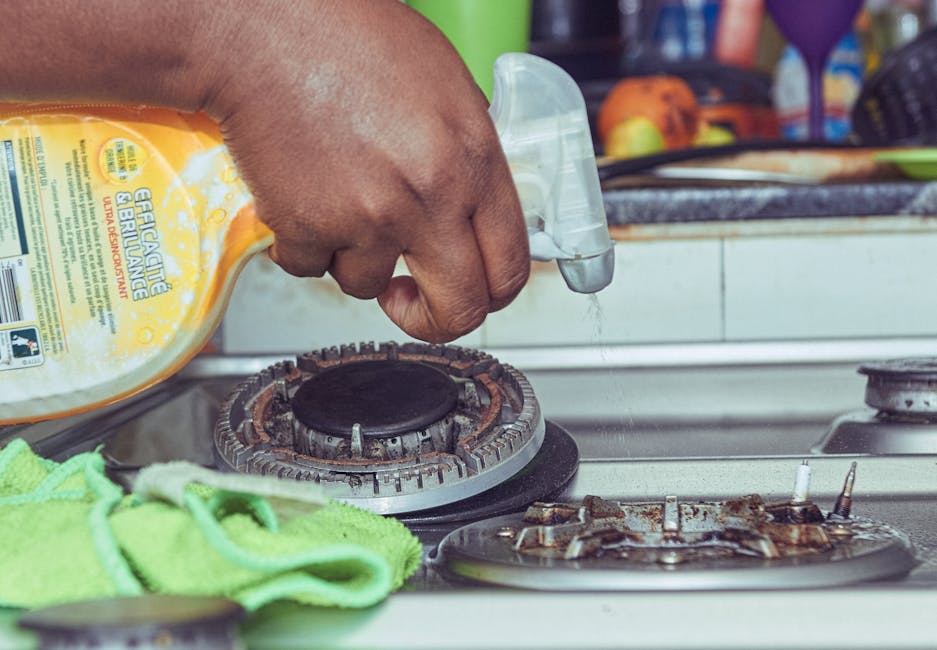
Focus on the hob, splashback, handles, extractor hood, and cupboard fronts nearest the cooker. Spray a degreaser lightly, or use warm water with a little washing-up liquid if you are keeping it simple. Let it sit for a short moment.
4. Wipe using straight, overlapping passes
Use a folded microfibre cloth and work in one direction. Flip the cloth frequently. If you keep wiping with a saturated cloth, you are just moving the grease around.
5. Detail the edges and awkward corners
This is where most emergency cleans fall short. Around handles, trim edges, extractor seams, and behind taps there is often a hidden ring of residue. A cotton bud or old soft toothbrush can help. Gently.
6. Clean appliances from top to bottom
Start with the extractor and cupboard tops, then move to the microwave exterior, fridge door, oven front, and microwave handles. Grease loves high-touch zones.
7. Rinse surfaces with clean water
Even if a product says no-rinse, a quick wipe with clean water usually improves the finish. It removes film and reduces stickiness.
8. Dry everything fully
Use a fresh dry cloth or tea towel. Drying is what stops streaks and dull patches. If the kitchen still feels tacky, do one more wipe. That little extra pass makes a big difference.
9. Finish with the floor
Use a mop or flat cleaner on the floor last. Greasy feet prints are a common after-effect of kitchen cleaning, and they are frustrating to discover after you thought you were done.
Quick note: if a surface feels sticky even after cleaning, it is usually residue rather than failure. One more gentle degrease is often enough. No need to panic and start scrubbing like you are sanding a table.
Expert Tips for Better Results
Small adjustments make a big difference when you are dealing with grease under time pressure.
- Use two cloths, not one. One for loosening grease, one for drying and finishing.
- Work from least dirty to most dirty. This keeps the cleaner cloth usable for longer.
- Test first on delicate finishes. Painted cabinets, vinyl wrap, and old varnish can react badly to strong products.
- Do not let degreaser dry on the surface. It can leave marks or streaks.
- Clean the extractor filters regularly. A greasy filter recirculates residue and odour.
- Use warm, not boiling, water. Very hot water can be fine for some jobs, but it is not always safe on finishes or seals.
Here is a small but useful habit: wipe the hob and splashback while the kitchen is still slightly warm, not hot. The grease softens more easily. It is one of those practical details that sounds minor until you try it and suddenly everything moves faster.
If you are aiming for a fuller reset of the home, it can help to combine the kitchen with the rest of the property rather than cleaning in isolation. A coordinated domestic clean, such as house cleaning in Paddington, often saves time and avoids the feeling that one room is never quite finished.
Common Mistakes to Avoid
Grease cleaning goes wrong in predictable ways. Fortunately, most of them are easy to avoid.
- Using too much product: More cleaner does not equal better cleaning. It often leaves a sticky film.
- Scrubbing with abrasive pads: Great way to dull glossy cabinets and scratch stainless steel.
- Skipping the rinse stage: Residue can attract dust and make surfaces feel greasy again.
- Cleaning in the wrong order: If you do the floor first, you will likely undo your own work.
- Ignoring extractor hood filters: They are often the hidden source of recurring grease.
- Mixing products blindly: Never combine cleaners unless the label clearly allows it.
Another common issue is giving up too early. Grease often softens on the second pass. People think the product has failed, when really the surface just needs a little more dwell time and a gentler wipe. It is a patience game, which is not always what you want at 8:30 on a weekday morning, but there we are.
Tools, Resources and Recommendations
You do not need a fancy kit, but the right basic tools make the job much easier.
| Tool | Best use | Why it helps |
|---|---|---|
| Microfibre cloths | General degreasing and drying | Lift residue well and reduce streaking |
| Soft sponge | Moderate grease on worktops and appliances | Gentle on most surfaces |
| Non-scratch pad | Stubborn but safe scrubbing | Helps without gouging finishes |
| Old toothbrush | Handles, seams, corners | Useful for detailed cleaning |
| Kitchen degreaser or washing-up liquid | Breaking down grease | Targets the oily layer directly |
| Spray bottle | Controlled application | Prevents over-wetting surfaces |
| Dry tea towels | Final finish | Stops streaks and tackiness |
For deeper or recurring build-up, consider whether the issue is localised or part of a broader cleaning pattern. If the kitchen is only one piece of the puzzle, broader support through domestic cleaning Paddington may be more efficient than tackling everything piecemeal.
And if your home is at the end of a tenancy, or you simply want a more thorough reset before handover, the relevant service page and pricing information can help you compare options without guesswork. A quick look at pricing and quotes is often the sensible next step. No drama, just clarity.
Law, Compliance, Standards, or Best Practice
For ordinary household grease cleaning, there is no complicated legal framework to manage. But there are still sensible standards and expectations worth following, especially in rented properties, shared homes, or commercial kitchens.
In landlord-tenant situations, cleanliness at handover is often assessed against the tenancy agreement and the general condition the property is expected to be returned in. That usually means a reasonably thorough clean, with kitchens given extra attention because they are high-use areas. If you are preparing a move, the practical route is to document the condition as you go and keep receipts or notes if professional cleaning is involved. It is plain old common sense, really.
In shared buildings, flats, or managed properties, be careful with ventilation, noise, waste disposal, and chemical use. Strong-smelling products should be used with windows open where possible, and wipes or cloths contaminated with grease should be disposed of neatly rather than left in communal bins uncovered. If you have bulky waste from a clear-out, the article on bulky waste clearance and disposal in Paddington W2 may be useful for planning the bigger tidy-up.
For work environments, hygiene expectations are higher because kitchens are shared and used throughout the day. That does not mean you need industrial procedures for every wipe-down, but it does mean consistency matters. A simple routine, backed by clear health and safety guidance, helps reduce slip risks, residue, and unpleasant odours.
Options, Methods, or Comparison Table
There is more than one way to clear kitchen grease. The best choice depends on the surface, the age of the residue, and how urgently you need results.
| Method | Best for | Pros | Limitations |
|---|---|---|---|
| Warm water + washing-up liquid | Fresh grease and light build-up | Cheap, easy, gentle | May need several passes on heavy residue |
| Purpose-made degreaser | Hob zones, extractor fronts, splashbacks | Faster on stubborn grease | Needs careful surface testing |
| Steam cleaning | Non-delicate, heat-tolerant areas | Can loosen grime without chemicals | Not suitable for every finish or gap |
| Bicarbonate paste | Small stubborn spots | Controlled, mild abrasion | Messy if overused; not ideal for large areas |
| Professional deep clean | Heavy, widespread, or time-sensitive build-up | Fast, thorough, less stress | Higher cost than DIY |
For most readers, the best path is usually a hybrid. Start with a gentle method. Upgrade to a stronger degreaser only if needed. Call in help when the job is larger than the time you have available. That last bit matters more than people admit.
Case Study or Real-World Example
A fairly typical Paddington scenario goes like this: a tenant notices the kitchen is looking tired a few days before checkout. The hob has a greasy halo, cupboard handles feel tacky, and there is a dark line collecting above the splashback. Nothing shocking individually, but together it looks neglected.
Rather than trying to deep clean everything at once, they break the job into zones. First, the extractor and hob area. Then cupboard doors nearest the cooker. Then the handles, switch plates, and fridge door. They keep one cloth for cleaning, one for drying, and change the water halfway through because the first bucket gets cloudy fast. Sensible, that.
By the end, the kitchen does not look brand new, because let's be honest, real kitchens are lived-in. But the grease is gone, the smell is reduced, and the room feels properly cared for. That is usually the real goal in an emergency clean: not perfection, just a clean, honest result that stands up to scrutiny.
In a slightly bigger property, or one with other cleaning issues, it often makes sense to coordinate tasks. For instance, if grease has spread onto soft seating in an open-plan room, pairing the kitchen clean with upholstery cleaning Paddington can help the whole space feel reset rather than half-done.
Practical Checklist
Use this quick checklist if you need to act fast.
- Open windows or improve ventilation
- Clear food and small appliances from the workspace
- Dry-dust crumbs and loose debris first
- Apply warm water or degreaser to greasy zones
- Let the product dwell briefly
- Wipe with a clean microfibre cloth
- Pay attention to handles, seams, and corners
- Rinse residue with clean water
- Dry all surfaces thoroughly
- Clean the hob, splashback, extractor, and cupboard fronts
- Finish with the floor last
- Inspect under kitchen light for streaks or missed patches
- Repeat a light pass where needed
Expert summary: The fastest way to beat kitchen grease is not more force. It is better sequencing, better cloth control, and enough patience for the cleaner to actually do its job. That is the whole trick, really.
Conclusion
Kitchen grease can turn up quickly and make a home feel far less comfortable than it should. The good news is that a calm, methodical deep clean usually beats it. Start with ventilation, work from the top down, use the right cleaner for the surface, and do not rush the drying stage. Those few habits make the biggest difference.
If the build-up is small, you can often sort it yourself in one focused session. If the grease has spread, settled into multiple rooms, or become part of a larger move-out clean, getting extra support can save a lot of time and stress. Either way, the aim is the same: a kitchen that feels safe, fresh, and usable again.
And if you are staring at a hob that looks a little beyond rescue, take a breath. It is usually less dramatic than it seems once you start. One cloth, one pass, one surface at a time.
Get a free quote today and see how much you can save.